
Remodel Waste That Can't Wait
Construction Debris Removal in Glendale for residential renovations, commercial buildouts, and demolition project cleanup
Active renovation work across the desert metro generates constant construction debris—drywall scraps from interior wall removal, lumber cutoffs from framing work, concrete chunks from slab demolition, and old flooring torn out during bathroom and kitchen remodels. Residential remodels and commercial buildouts in Glendale, Avondale, and office buildings throughout Phoenix create bulk material that accumulates daily on jobsites, and rapid haul-off prevents the pileup that blocks work areas and delays subsequent trade contractors from accessing the space. JunkAway Ultrafast loads mixed construction material directly from interior rooms, garages, or exterior staging areas into the truck bed, then transports each load to appropriate disposal or recycling facilities based on material type, eliminating the need for contractors to coordinate multiple dumpster deliveries or manage ongoing waste removal themselves.
The removal process involves loading drywall, lumber, flooring, cabinets, countertops, tile, concrete, and general demolition debris without requiring pre-sorting or containerization. Construction waste patterns vary by project phase—demolition generates heavy mixed loads of drywall and framing, while finish work produces cleaner waste streams like flooring scraps and trim cutoffs. Once loaded, material gets routed to facilities accepting construction debris, with recyclable content like metal and clean wood separated when possible.
Schedule ongoing job cleanup or post-project debris removal based on your current construction timeline..
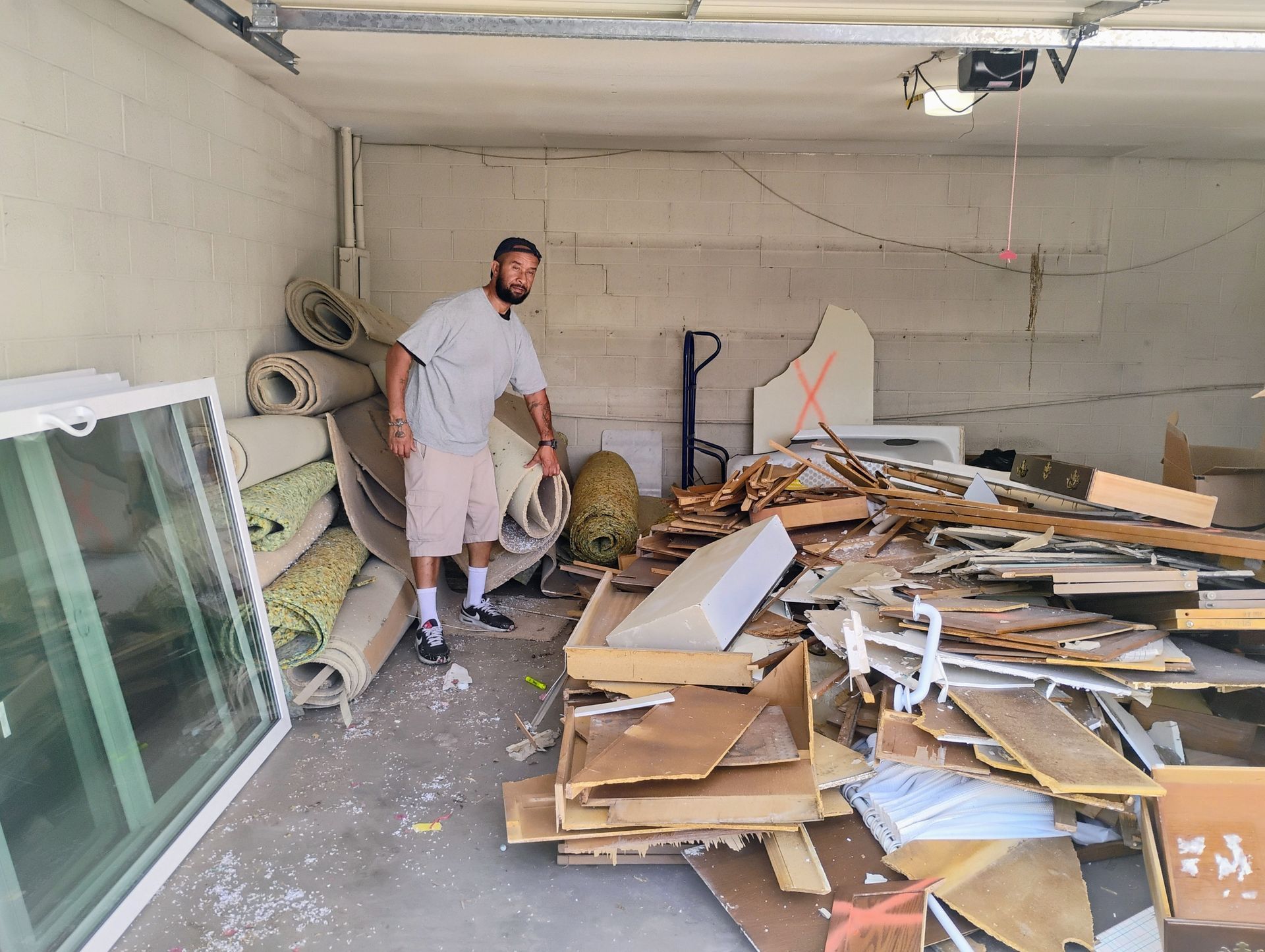
What Construction Cleanup Involves for Active Jobs
Construction debris removal starts with assessing material type and volume—drywall dust and small scraps load differently than full sheets of subfloor or cabinet boxes, and concrete chunks require consideration of weight limits. JunkAway Ultrafast handles both post-project final cleanup and ongoing debris removal during active renovations, which matters for contractors managing multi-week jobs where waste accumulation blocks progress. The loading process works around active trade work when necessary, accessing debris piles without disrupting electricians, plumbers, or flooring installers working simultaneously on other areas of the property.
After debris leaves the site, your work areas show clear floors ready for the next construction phase, with no material blocking doorways, no dust-generating piles sitting in corners, and no safety hazards from nails or sharp edges scattered across rooms. General contractors benefit from maintaining clean jobsites that meet inspection standards and prevent trade contractor complaints about poor site conditions. Commercial buildouts in Glendale office buildings particularly require rapid debris removal since property management often enforces strict cleanup requirements to avoid affecting adjacent tenant spaces.
The service covers drywall, lumber, flooring, concrete, roofing material, cabinets, countertops, tile, and general construction scrap, but does not include hazardous materials like asbestos, lead paint, or chemical waste requiring licensed abatement contractors. Pricing depends on material volume and weight, since concrete and masonry disposal costs exceed lighter debris like drywall and wood..
What Contractors Ask About Debris Hauling
Construction professionals working throughout Phoenix metro jobsites typically ask similar questions about waste removal logistics and scheduling flexibility.
What construction materials can be removed from jobsites?
Drywall, lumber, flooring, concrete, tile, cabinets, countertops, roofing material, framing scraps, and general demolition debris all get hauled, provided they contain no hazardous substances requiring specialized disposal.
How does ongoing job cleanup work during active renovations?
Crews schedule pickups based on debris accumulation rate—some jobs need weekly removal, others require haul-off every few days depending on demolition intensity and available staging space in Glendale residential and commercial properties.
When should debris be removed during a remodel project?
Schedule removal after major demolition phases, before new material delivery to clear receiving areas, and during finish work to maintain clean installation conditions for flooring and trim contractors.
How is mixed construction debris handled at disposal facilities?
Material gets sorted when possible—metal goes to scrap recycling, clean lumber reaches wood recycling operations, and true waste like drywall and mixed demolition debris goes to construction waste landfills accepting such material.
What determines construction debris removal cost?
Pricing reflects total truck volume and material weight, since dense loads like concrete cost more to dispose than lighter debris, and multiple-truck jobs get quoted differently than single-load cleanups.
JunkAway Ultrafast positions for repeat contractor and GC relationships across commercial job pipelines and residential renovation projects in Glendale and throughout the Phoenix metro. Arrange a construction debris pickup to keep your jobsite clear and work progressing on schedule.